
Views: 221 Author: Site Editor Publish Time: 2026-02-12 Origin: Site


Choosing between metal and wood for your shelving is more than just a style choice. It is a decision about durability, weight capacity, and long-term value. We often see people struggle with this: do you go for the warm, classic feel of timber, or the sleek, industrial metal bookshelf look? Both materials have unique strengths, but they solve different problems in a modern home or office.
Whether you are storing heavy medical textbooks or displaying light decorative plants, the material you choose matters. A high-quality heavy duty metal bookshelf might be overkill for a nursery, just as a thin wooden shelf might sag under a massive vinyl collection. This guide breaks down the pros and cons of each, focusing on real-world use cases. We want to help you decide which material will protect your items and complement your space for years to come.
When we talk about pure strength, metal is the clear winner. A heavy duty metal bookshelf is designed to handle significant weight without bowing or warping. Steel and iron do not have grains like wood. This means they are less likely to snap under pressure. If you have a large collection of heavy encyclopedias or heavy-duty tools, metal is your best bet.
Wooden shelves, while beautiful, are prone to "creep." This is a slow, permanent sagging that happens over time when a shelf stays loaded beyond its limit. Metal does not suffer from this. A metal bookshelf maintains its straight lines even after years of holding heavy loads. This makes it the superior choice for archival storage or high-traffic areas where longevity is the top priority.
| Feature | Wooden Bookshelf | Heavy Duty Metal Bookshelf |
| Material Life | 10–20 Years (depends on wood) | 30+ Years |
| Weight Limit | Moderate (sags over time) | High (resists warping) |
| Impact Resistance | Scratches easily | Dents slightly, rarely breaks |
| Best For | Decor, light reading | Heavy collections, garages |
Style is subjective, but material choice dictates the vibe of your room. Wood offers a traditional, cozy atmosphere. It feels "organic" and pairs well with antique furniture. However, the industrial metal bookshelf has seen a massive surge in popularity lately. It fits perfectly into modern lofts, minimalist apartments, and professional offices.
The sleek lines of a freestanding narrow metal bookshelf allow it to disappear into a room's architecture. It doesn't feel as "heavy" visually as a thick oak unit. For small apartments, this is a lifesaver. You get the storage you need without making the room feel cluttered. Metal also allows for thinner profiles while maintaining strength, giving you a cleaner, more streamlined look that wood simply cannot replicate without being fragile.
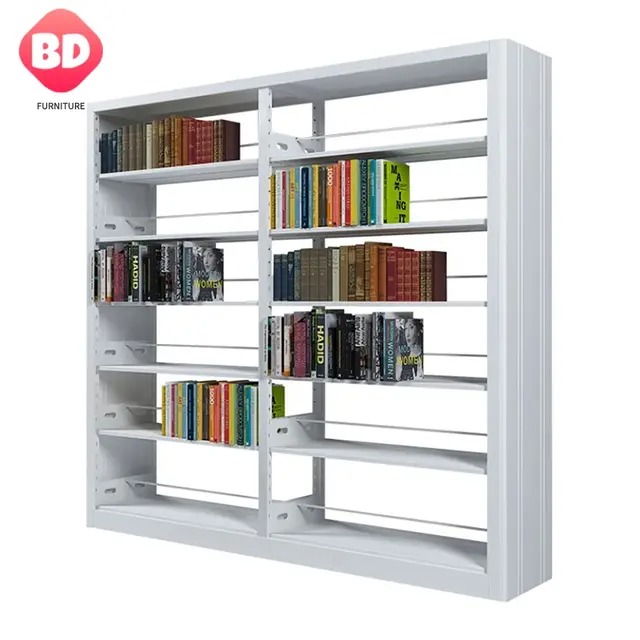
We believe that your furniture should grow with you. This is where modern engineering shines. Most wooden shelves are fixed in place with dowels or screws. Changing the height of a wooden shelf often involves a drill and a lot of frustration. Conversely, a metal bookshelf with adjustable shelves uses a simple clip or slot system.
Changing Collections: You might start with paperbacks and move to tall art books.
Versatility: You can move a metal bookshelf from the office to the kitchen to hold appliances.
Ease of Use: Most people can reorganize a with adjustable shelves unit in under five minutes.
If you have a tight corner, a freestanding narrow metal bookshelf provides a vertical storage solution that wood often misses. Because metal is so strong, manufacturers can make these units very thin and tall. They remain stable and safe, whereas a narrow wooden shelf might become top-heavy and wobbly. This makes metal the go-to for "dead space" in your home, like the area behind a door or next to a refrigerator.
Environment plays a huge role in the "Metal vs. Wood" debate. Wood is a living material; it reacts to the world around it. It swells in humidity and shrinks in dry air. It is also delicious to termites and susceptible to mold. If you live in a coastal area or want to put shelves in a basement, wood might not be the best long-term investment.
A waterproof metal bookshelf solves these issues. Most are finished with a powder coating that prevents rust and resists moisture. You can wipe them down with a wet cloth without worrying about the finish bubbling or the material rotting.
Pest Resistance: Bugs cannot eat steel.
Moisture Control: A waterproof finish ensures your unit stays pristine in damp laundry rooms.
Cleaning: Metal is non-porous. It doesn't soak up spills or smells, making it much more hygienic for high-use areas.
When it comes to your budget, metal usually offers a better "strength-to-dollar" ratio. High-end solid wood is expensive and difficult to ship. A metal bookshelf is typically lighter and comes in a flat-pack format. This leads to an easy assembly experience that doesn't require a professional carpenter.
Most modern metal bookshelf units use "boltless" technology. They snap together with a rubber mallet. This easy assembly makes them popular for students, renters, and people who move frequently. If you move houses, you can take a metal unit apart, flat-pack it again, and put it back together without stripping screw holes—a common problem with particle-board wooden shelves.
While a cheap wooden shelf might cost less upfront, it often needs replacing after a few years of sagging. Investing in a heavy duty metal bookshelf means you buy it once and keep it for decades. When we look at the cost per year of ownership, metal is frequently the more economical choice for the savvy homeowner.
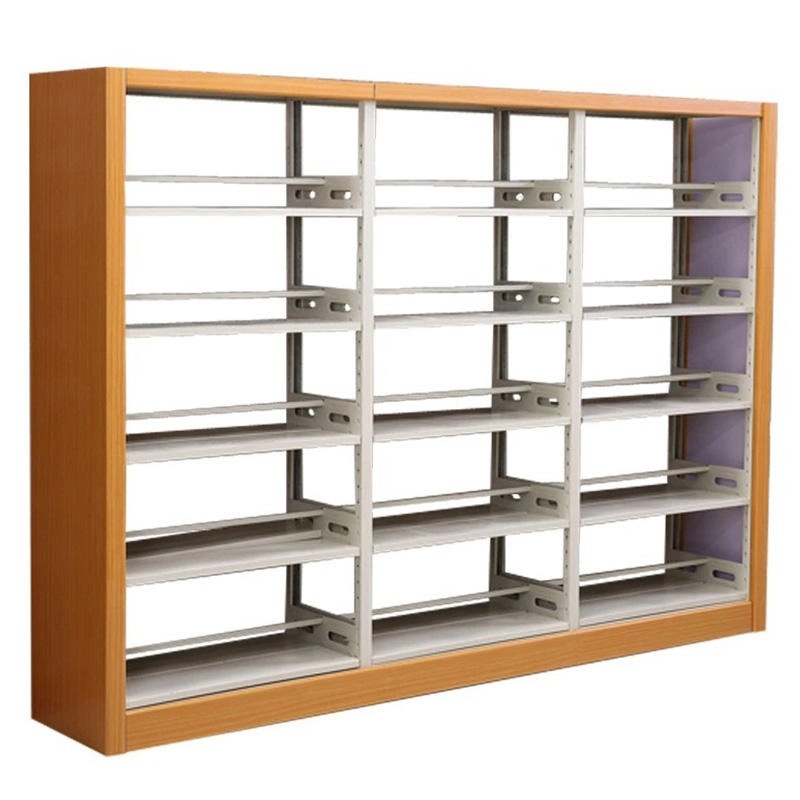
We have to look at the planet when we choose our furniture. Wood is renewable, but only if it is sourced from certified forests. Cheap wooden furniture often uses glues and resins that are not eco-friendly. Metal, specifically steel, is one of the most recycled materials on earth.
A metal bookshelf can be melted down and turned into something else at the end of its life. It doesn't end up in a landfill as a pile of rotting sawdust. Many industrial metal bookshelf brands now use recycled steel in their manufacturing process. Furthermore, because metal lasts so much longer than wood, you consume fewer resources over time. Choosing a durable heavy duty unit reduces the "throwaway furniture" cycle that harms our environment.
So, who wins the battle? If you want a piece of furniture that feels like a family heirloom and adds organic warmth to a room, go with wood. But if you want a practical, durable, and modern solution, the metal bookshelf is the undisputed champion.
It offers the heavy duty strength needed for real libraries. It provides the waterproof durability needed for real homes. And with options like freestanding narrow frames and with adjustable shelves, it fits into your life rather than forcing you to work around it. Whether you are aiming for a rugged industrial look or a simple, clean storage solution, metal delivers performance that wood simply can't match.
At Luoyang Beidong Furniture, we are committed to redefining workspace efficiency through precision engineering and superior materials. By utilizing high-grade cold-rolled steel that exceeds industry standards, we ensure every locker, cabinet, and shelving system we produce delivers unmatched durability and aesthetic appeal. As an ISO-certified leader in the steel furniture industry, we invite you to experience the perfect blend of innovation and reliability. Connect with us today at sales@beidongfurniture.com to explore how our tailored storage solutions can elevate your environment—we look forward to building a lasting partnership with you.
Q: Will a metal bookshelf scratch my floors?A: Not if you choose the right one! Most freestanding narrow metal bookshelf units come with plastic or rubber feet. These protect your hardwood or tile from scratches.
Q: Can I paint a metal bookshelf if I change my room color?A: Yes! You can easily spray paint a metal bookshelf with a metal-specific paint. This is often easier than sanding and restaining a wooden one.
Q: Is metal or wood better for a kid’s room?A: Metal is often better because of its easy assembly and durability. Kids can be rough on furniture, and a heavy duty metal unit won't chip or splinter like wood might.
Q: Are metal bookshelves noisy?A: Some people worry about a "clanging" sound. However, modern industrial designs often include dampening features or thick powder coatings that make them very quiet.
Q: How much weight can a standard heavy duty metal bookshelf hold?A: Most high-quality units can hold between 150 to 350 pounds per shelf, depending on the gauge of the steel used. (Note: Always check the manufacturer's specific rating before loading).


