
Views: 229 Author: Site Editor Publish Time: 2026-02-16 Origin: Site


Many DIY enthusiasts ask the same question: "Can I use the leftover wall paint on my furniture?" Specifically, when dealing with a metal bookshelf, the answer isn't a simple yes or no. While you can apply latex paint to metal surfaces, doing it incorrectly leads to peeling, rusting, and a finish that scratches off with a fingernail. Metal is non-porous. Unlike wood, it doesn't soak up paint. If you have an industrial metal bookshelf that needs a color refresh, you must understand the chemistry of adhesion.
In this guide, we will explore the exact steps to make latex paint stick to your heavy duty metal bookshelf. We will cover the necessity of primers, the importance of surface prep, and how to ensure your waterproof coating actually lasts. Whether you own a freestanding narrow metal bookshelf for a tight corner or a massive unit with adjustable shelves, the goal remains the same: a professional, durable finish that won't chip the moment you slide a book into place.
Latex paint is water-based. Metal, by nature, is prone to oxidation when it meets water. If you apply latex directly to a raw or sanded metal bookshelf, you risk "flash rusting." This occurs when the water in the paint reacts with the iron in the steel before the paint even dries. Furthermore, latex paint is flexible and rubbery. On a hard, smooth industrial bookshelf, it lacks a "tooth" to grab onto. Without proper intervention, the paint will sit on the surface like a thin plastic film.
We also have to consider the "blocking" effect. This is a common issue with latex paint where two painted surfaces stick together. If your metal bookshelf with adjustable shelves is painted with low-quality latex, the shelves might literally glue themselves to the frame. To avoid this, we must select the right grade of 100% acrylic latex and use specific additives. Understanding these limitations allows us to bypass the common failures of DIY metal painting projects and achieve a result that looks factory-made.
You cannot skip the prep work if you want a heavy duty metal bookshelf to look good. Metal surfaces often have a factory coating, oil residues, or fine dust that prevents paint bonding. We start by cleaning the unit thoroughly. A mixture of degreasing dish soap and warm water usually does the trick. For older, grittier industrial metal bookshelves, you might need mineral spirits to strip away stubborn oils.
Once clean, you must scuff the surface. You aren't trying to remove the old paint entirely; you just want to create micro-scratches. Use a 120-grit to 220-grit sandpaper. This gives the primer something to hold. For a freestanding narrow metal bookshelf, pay close attention to the corners and undersides. These are the spots where paint usually starts to fail first. After sanding, wipe it down with a tack cloth. Even a single fingerprint can leave enough oil to cause a "fish-eye" bubble in your finish.
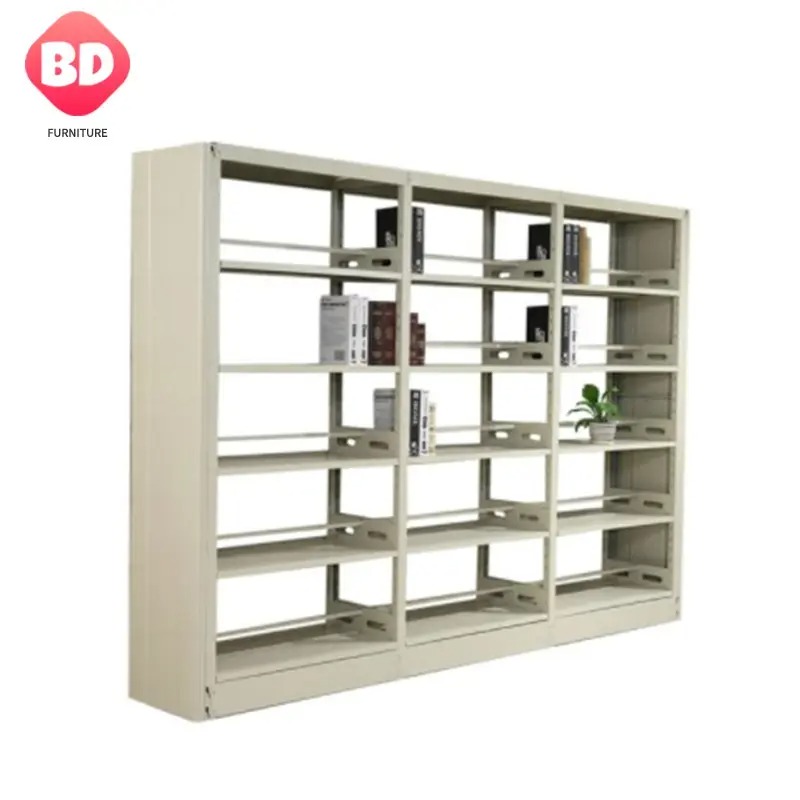
If you want to use latex paint, you must use a high-quality bonding primer first. A standard "all-purpose" primer won't cut it for a metal bookshelf. You need a primer specifically labeled for "metal" or "non-porous surfaces." These primers act as the "glue" between the smooth metal and the rubbery latex. They often contain rust inhibitors, which turn your unit into a waterproof fortress against humidity.
Spray vs. Brush: For a heavy duty metal bookshelf, spray primer provides the smoothest base. It prevents brush marks that might show through the final latex coat.
Dry Times: Never rush the primer. Wait at least 24 hours. This allows the primer to fully "bite" into the metal.
Light Sanding: After the primer dries, hit it very lightly with 400-grit sandpaper. This ensures your metal bookshelf with adjustable shelves feels buttery smooth once the topcoat goes on.
| Primer Type | Best Use Case | Adhesion Rating |
| Self-Etching Primer | Raw, shiny steel or aluminum | 5/5 (Highest) |
| Oil-Based Primer | Previously painted metal | 4/5 |
| Water-Based Bonding Primer | General DIY over existing finishes | 3/5 |
Once the primer is set, you can finally move to the color. We recommend using a "Cabinet and Trim" latex paint. These are specialized formulas designed to dry harder than standard wall paint. When applying it to your industrial metal bookshelf, thin coats are your best friend. If you go too thick, the paint will sag and drip, which is very hard to fix on metal once it starts to skin over.
Use a high-quality synthetic brush or a small foam roller. If you are working on a freestanding narrow metal bookshelf, a 4-inch foam roller allows you to cover the thin uprights quickly without leaving "rope" marks. If the unit has with adjustable shelves, paint them separately. Do not put the shelves back into the unit until the paint is fully "cured," which can take up to 30 days for latex. If you rush it, the weight of the books will peel the paint right off the metal.
Latex paint remains somewhat soft even after it feels dry to the touch. For a heavy duty metal bookshelf that will hold heavy stacks of hardcovers, you need extra protection. A clear acrylic topcoat provides a "wear layer." This prevents the "clinging" effect and makes the surface more waterproof. You can choose between matte, satin, or high-gloss finishes depending on your home's style.
The most difficult part is the waiting game. "Dry" is not the same as "Cured." While the metal bookshelf might be dry in two hours, it takes weeks for the latex molecules to cross-link and harden. We recommend waiting at least a week before placing any light objects on the shelves. For heavy items on a metal bookshelf with adjustable shelves, wait the full month. This patience ensures that your industrial makeover doesn't turn into a sticky mess.
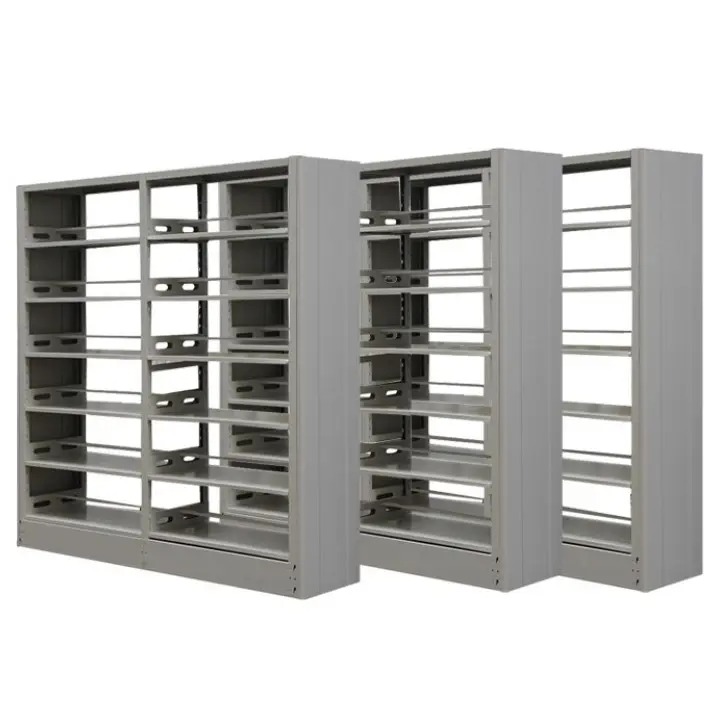
Sometimes, using a brush and a can of latex is the hard way. For a freestanding narrow metal bookshelf with complex filigree or many small bars, a high-quality spray enamel might be better. Spray enamels are often oil-based, meaning they are naturally more waterproof and adhere better to metal without a complex primer-and-paint system.
If your unit is a heavy duty metal bookshelf going into a garage or a high-traffic shop, consider an epoxy-based paint. Latex is great for aesthetics in a living room, but it lacks the chemical resistance of industrial coatings. If you expect spills or heavy mechanical wear, the industrial metal bookshelf will serve you better if it is coated in a material designed for friction.
So, can you use latex paint on a metal bookshelf? Yes, but only if you respect the process. You must bridge the gap between the water-based paint and the cold, hard metal using a dedicated primer. By cleaning, sanding, priming, and allowing for a full cure, you can turn a basic industrial bookshelf into a stunning, customized piece of furniture.
Whether you are refreshing a freestanding narrow metal bookshelf for your home office or ruggedizing a heavy duty unit for your basement, the key is patience. Use the right tools, don't skip the prep, and your metal bookshelf with adjustable shelves will look incredible for years to come.
At Luoyang Beidong Furniture Co., Ltd., we are committed to excellence in every detail, utilizing high-grade cold-rolled steel that exceeds standard strength by over 20% to ensure durability and reliability. As an ISO-certified leader in the steel furniture industry, we specialize in providing innovative storage solutions—from compact shelving to professional-grade metal cabinets—designed to optimize your workspace with efficiency and style. Whether you are looking for customized office furniture or large-scale archive storage, we invite you to experience our sophisticated craftsmanship and professional service. Connect with us today at sales@beidongfurniture.com to discuss your needs and let us help you build a more organized future.
Q: Can I use a "Paint + Primer" in one can for my metal bookshelf?
A: Generally, no. These products are designed for porous surfaces like drywall. For a heavy duty metal bookshelf, you need a standalone, dedicated metal primer to ensure it doesn't peel.
Q: How do I prevent my books from sticking to the shelves?
A: This is called "blocking." To prevent it, use a 100% acrylic paint and apply a clear water-based polyurethane topcoat once the paint is dry. This creates a hard barrier that isn't sticky.
Q: Is latex paint waterproof once it dries on metal?
A: It is water-resistant, but not fully waterproof in the sense that it can be submerged. For an outdoor metal bookshelf, you would need an oil-based enamel or a marine-grade finish.
Q: What is the best way to paint a metal bookshelf with adjustable shelves?
A: Remove the shelves and the pins. Paint the frame and the shelves separately. Make sure the pins fit back into the holes easily—sometimes paint buildup can make the adjustable feature difficult to use.
Q: My metal bookshelf is already rusting. Can I still use latex?
A: You must remove all loose rust with a wire brush first. Then, apply a "rust-converter" primer before using your latex topcoat. If you paint over active rust, it will continue to eat the metal bookshelf from the inside out.


